Neck and back pain
Most neck and back pain is not dangerous, and most of it gets better within a few weeks. Staying gently active usually helps more than bed rest. When pain lasts, finding where it actually comes from (a disc, a joint, a nerve, or a muscle) points to the right treatment.
Get checked promptly if you have
- New trouble controlling your bladder or bowels, or numbness in the groin or inner thighs
- Leg or arm weakness that is getting worse, or new clumsiness in the hands or trouble with balance
- Back or neck pain with fever, unexplained weight loss, or a history of cancer
- Pain after a major fall or accident
Everyday low back pain
- What it is
- An ache from the muscles, ligaments, and joints of the low back, without one clear structural cause. It is the most common kind of back pain.
- Common signs
- Ache or stiffness across the low back. Worse with certain positions or after lifting. No pain, numbness, or weakness running down the leg.
- What usually helps
- Keep moving within comfort. Heat, short walks, and a few weeks of guided exercise help most people. Most improve within about six weeks.
Pinched nerve (radiculopathy, sciatica)
- What it is
- A disc bulge or bone spur presses on a nerve root as it leaves the spine.
- Common signs
- Leg pain (often below the knee) or arm pain that is worse than the back or neck pain. Numbness, tingling, or weakness in the leg or arm.
- What usually helps
- Many people improve over 6 to 12 weeks with activity changes and physical therapy. An epidural steroid injection can calm severe pain. Surgery is considered for worsening weakness or pain that doesn't settle.
Facet joint arthritis
- What it is
- Wear in the small paired joints at the back of the spine.
- Common signs
- Back or neck pain that is worse when you lean back or twist. Morning stiffness. Pain may spread to the buttock or the shoulder blade, but rarely below the knee.
- What usually helps
- Exercise and physical therapy first. When pain lasts, numbing the small nerves to these joints can confirm the source, and radiofrequency ablation can turn the pain down for months.
Spinal stenosis
- What it is
- The space around the nerves in the low back narrows with age.
- Common signs
- Heaviness, aching, or tingling in the buttocks and legs when you stand or walk. It eases when you sit or lean forward, like on a shopping cart.
- What usually helps
- A walking program and physical therapy that favors bending forward. Epidural injections can help. Minimally invasive procedures or surgery are options when walking stays limited.
Sacroiliac (SI) joint pain
- What it is
- Pain from the joint that connects the spine to the pelvis.
- Common signs
- Pain on one side, just below the belt line near the dimple in your lower back. Often worse with standing up from a chair, stairs, or lying on that side.
- What usually helps
- Physical therapy focused on hip and core strength. A numbing injection can confirm the source. Nerve ablation is an option for lasting pain.
Cluneal nerve entrapment
- What it is
- Small skin nerves that cross the back of the pelvic rim get pinched where they pass through tight tissue.
- Common signs
- Low back or upper buttock pain over the back of the pelvic rim, often with one very tender spot. Worse with bending, twisting, or sitting.
- What usually helps
- A numbing injection can confirm it. Hydrodissection, radiofrequency treatment, or peripheral nerve stimulation can help lasting pain.
Headache from the neck and occipital neuralgia
- What it is
- Some headaches start in the joints and nerves of the upper neck. Occipital neuralgia is irritation of the nerves at the back of the head.
- Common signs
- Headache that starts at the base of the skull and spreads forward. Worse with neck posture. Occipital neuralgia causes sharp, shooting, or electric pain over the back of the head.
- What usually helps
- Neck exercises and posture changes. Nerve blocks can calm occipital neuralgia. New or unusual headaches should be checked by a doctor first.
Spinal cord pressure in the neck (cervical myelopathy)
- What it is
- Arthritis, bone spurs, or a disc narrow the spinal canal in the neck and press on the spinal cord.
- Common signs
- Clumsy hands, numb hands, unsteady walking, an electric shock down the spine when bending the neck. Neck pain may be mild.
- What usually helps
- An MRI confirms it. Worsening cases usually need a spine surgeon. Avoid forceful neck manipulation.
Mid-back and chest wall pain
- What it is
- Pain from the thoracic spine joints, rib joints, rib cartilage (costochondritis), muscles, or nerves between the ribs.
- Common signs
- Ache between the shoulder blades or sharp pain around the ribs, worse with twisting or deep breaths. New chest pain needs a heart check first.
- What usually helps
- Posture and mobility exercise, therapy; rib or facet injections and nerve treatments for lasting pain.
Disc pain (discogenic back pain)
- What it is
- A worn or torn spinal disc becomes a source of pain itself, without pinching a nerve.
- Common signs
- Deep central low back pain, worse sitting, bending forward, lifting, or coughing; better lying down.
- What usually helps
- Movement-based PT and core work first. Basivertebral nerve ablation helps some people with specific MRI changes.
Inflammatory back pain (axial spondyloarthritis, ankylosing spondylitis)
- What it is
- The immune system inflames the SI joints and spine, often in people with the HLA-B27 gene.
- Common signs
- Back pain starting before 40, lasting more than 3 months, with long morning stiffness, night pain, and improvement with exercise.
- What usually helps
- Daily exercise, anti-inflammatories, and biologic medicines from a rheumatologist.
Headaches (migraine, tension, cluster, cervicogenic)
- What it is
- Recurrent head pain. The type guides the treatment.
- Common signs
- See the article for how each type behaves. A sudden "worst headache of your life" needs emergency care.
- What usually helps
- Medicines, lifestyle changes, Botox for chronic migraine, and occipital nerve blocks or neck-joint treatments for headaches from the neck.
Articles in Learn
- PRP and Stem Cell Injections for Back and Neck Pain: What the Research Says
- Back and Pelvis Injections Explained: Facet, Medial Branch, SI Joint, and Epidural
- Neck Pain: Four Common Types and How They're Treated
- Fibromyalgia and Myofascial Pain: Two Kinds of Muscle Pain
- Inflammatory Arthritis: When Joint or Back Pain Is Your Immune System
- Spinal Cord Stimulation: A Test Drive Before You Decide
- Mid-Back and Chest Wall Pain: Thoracic Spine, Ribs, and Muscles
- Disc Pain (Discogenic Back Pain): When the Cushion Itself Hurts
- Headaches: Migraine, Tension, Cluster, and Headaches From the Neck
- When Sciatica Isn't From Your Spine: Conditions That Mimic a Pinched Nerve
- Tailbone Pain: What Is Ultrasound-Guided Prolotherapy?
- Pain in the Buttock: 11 Possible Causes and How We Sort Them Out
Shoulder pain
The shoulder moves more than any other joint, and it depends on a small group of muscles and tendons (the rotator cuff) to stay centered. Pain when reaching overhead or lying on that side at night is very common, and most of it improves without surgery.
Get checked promptly if you have
- Shoulder or arm pain with chest pressure, shortness of breath, or sweating. Call 911: this can be the heart.
- Sudden inability to lift the arm after a fall or injury
- A shoulder that looks out of place after an injury
- A hot, red, swollen joint with fever
Rotator cuff tendinopathy and tears
- What it is
- Irritation, wear, or tearing of the rotator cuff tendons.
- Common signs
- Ache over the outside of the upper arm. Pain reaching overhead or behind your back, and when lying on that side. Weakness if a tear is larger.
- What usually helps
- A strengthening program is the main treatment, even for many partial and age-related tears. An injection can calm pain enough to do the exercises. Surgery is considered for sudden, large tears in active people.
Shoulder dislocation and separation
- What it is
- In a dislocation, the ball of the arm bone comes out of the socket. In a separation (acromioclavicular or AC joint sprain), the ligaments at the top of the shoulder are stretched or torn.
- Common signs
- After a fall or hit: a shoulder that looks squared off or has a bump on top, severe pain, and trouble moving the arm.
- What usually helps
- A dislocated shoulder needs to be put back in place by a doctor. Most separations heal with a sling and rehab. Severe ones may need surgery.
Broken collarbone (clavicle fracture)
- What it is
- A break in the collarbone, usually from a fall onto the shoulder.
- Common signs
- Pain, swelling, and sometimes a bump along the collarbone. Lifting the arm hurts.
- What usually helps
- Most heal with a sling and time. Some badly displaced breaks need surgery.
Frozen shoulder (adhesive capsulitis)
- What it is
- The lining of the shoulder joint thickens and tightens.
- Common signs
- Pain first, then growing stiffness. You can't lift or turn the arm fully, even with help. Most common between ages 40 and 60, and in people with diabetes or thyroid disease.
- What usually helps
- Gentle stretching. A steroid injection early on helps pain. Filling the joint with fluid (hydrodilatation) can help motion. Most people improve, but recovery can take one to three years.
Calcific tendinitis
- What it is
- Calcium deposits form in a rotator cuff tendon.
- Common signs
- Sudden, severe shoulder pain, often at night, sometimes with no injury. Or a steady ache with a 'catch' when lifting the arm.
- What usually helps
- Many deposits are reabsorbed over time. Shockwave therapy and ultrasound-guided needle procedures can break up larger deposits.
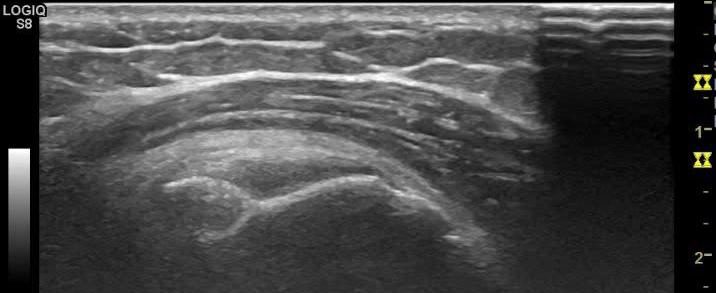
Shoulder arthritis
- What it is
- Wearing of the cartilage in the main ball-and-socket joint.
- Common signs
- Deep ache, stiffness, and grinding. Pain at night. Gradual loss of motion.
- What usually helps
- Exercise and activity changes first, then injections. For people who aren't ready for, or can't have, a shoulder replacement, treating the small pain nerves of the joint is an option.
Winged shoulder blade (long thoracic nerve injury)
- What it is
- Injury to the long thoracic nerve, which powers the muscle that holds the shoulder blade against the ribs. It can follow chest surgery, heavy lifting or carrying, or a direct blow.
- Common signs
- The shoulder blade sticks out from the back, especially when pushing against a wall. Trouble lifting the arm overhead. Aching around the shoulder blade.
- What usually helps
- Physical therapy and time. Many nerve injuries recover over months to two years. Ultrasound and nerve tests help track the nerve. Surgery is considered if it doesn't recover.
AC joint arthritis
- What it is
- Wear of the small joint at the top of the shoulder where the collarbone meets the shoulder blade.
- Common signs
- Pain right on top of the shoulder, worse reaching across your body, lifting overhead, or bench pressing.
- What usually helps
- Activity changes, strengthening, ultrasound-guided injection; surgery for stubborn cases.
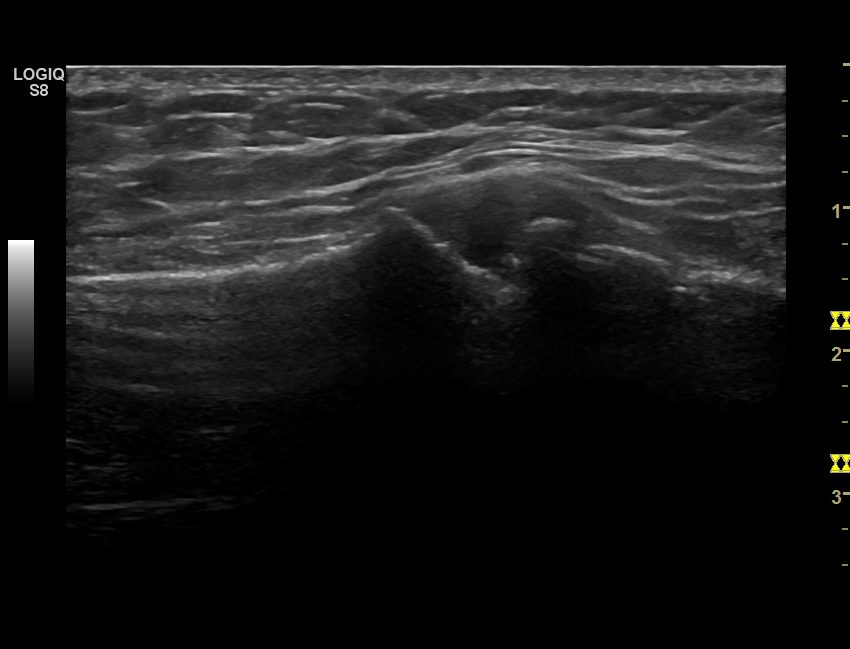
SLAP tear (labral tear)
- What it is
- A tear of the cartilage rim at the top of the socket, where the biceps tendon attaches.
- Common signs
- Deep shoulder pain, clicking, or weakness with overhead throwing or lifting.
- What usually helps
- Therapy for shoulder blade and rotator cuff control; joint injection for pain; surgery for some athletes.
Articles in Learn
Elbow pain
Most elbow pain comes from overloaded tendons where the forearm muscles attach, or from nerves that pass close to the bone. Tendon pain tends to improve slowly with the right kind of loading. Nerve problems cause tingling and weakness and deserve earlier attention.
Get checked promptly if you have
- A pop in the front of the elbow with bruising and weakness turning the palm up. This may be a biceps tendon tear and should be seen within days.
- A hot, red, swollen elbow, especially with fever
- Weakness or shrinking muscles in the hand
Tennis elbow (lateral epicondylosis)
- What it is
- Overload and wear of the tendon on the outer elbow. Most people who get it don't play tennis.
- Common signs
- Pain on the outer elbow when gripping, lifting a cup or bag, or turning a doorknob.
- What usually helps
- Most cases improve within a year. Gradual strengthening, a forearm strap, and changing how you grip help. Steroid shots ease pain short term but can raise the chance of it coming back. Options for stubborn cases include PRP and nerve treatments.
Golfer's elbow (medial epicondylosis)
- What it is
- The same tendon problem on the inner side of the elbow.
- Common signs
- Pain on the inner elbow with gripping, throwing, or carrying.
- What usually helps
- Strengthening and activity changes first. For stubborn pain, treating the small nerve that carries the pain is a newer option.
Cubital tunnel syndrome (ulnar nerve)
- What it is
- The ulnar nerve, the 'funny bone' nerve, is pinched or irritated at the elbow.
- Common signs
- Numbness or tingling in the ring and little fingers, worse with the elbow bent (on the phone, or at night). Weak grip or clumsiness later on.
- What usually helps
- Avoid leaning on the elbow and keeping it bent for long periods. A night splint can help. Hydrodissection or surgery are options if symptoms persist or weakness appears.
Radial nerve problems
- What it is
- The radial nerve can be pinched near the elbow or injured higher in the arm.
- Common signs
- Aching in the top of the forearm, a tingling thumb, or trouble lifting the wrist or fingers ('wrist drop').
- What usually helps
- Depends on where and why the nerve is affected. Ultrasound can help pinpoint the spot.
Elbow bursitis (olecranon bursitis)
- What it is
- Swelling of the fluid-filled cushion at the point of the elbow.
- Common signs
- A soft, sometimes painful lump at the back of the elbow. Often after leaning on the elbow or a bump.
- What usually helps
- Padding and avoiding pressure. Draining the fluid in some cases. A red, hot elbow with fever needs prompt care for infection.
Articles in Learn
- Ulnar Nerve Problems at the Elbow and Wrist: Non-Surgical Treatment Options
- Tendon Pain Treatments: What the Research Says for Each Tendon
- Radial Nerve Problems: Non-Surgical Treatment Options
- Stubborn Inner Elbow Pain? A Nerve Treatment for Golfer's Elbow
- Shoulder Arthritis and Tennis Elbow: Turning Down the Pain Nerves
- Tingling in Your Ring and Little Fingers? The Ulnar Nerve and How Ultrasound Helps
- Wrist Drop, Forearm Pain, or a Tingling Thumb? Understanding Radial Nerve Problems
Wrist and hand pain
Hands are full of small tendons, joints, and nerves packed close together. Numbness and tingling usually point to a nerve. Catching, locking, or pain with gripping usually points to a tendon or joint.
Get checked promptly if you have
- Sudden weakness or numbness of the hand with facial droop or trouble speaking. Call 911.
- A red, hot, swollen finger or hand, especially after a cut or bite
- Steady numbness with shrinking muscles at the base of the thumb
- A deformed or very swollen wrist after a fall
Carpal tunnel syndrome
- What it is
- The median nerve is pinched as it passes through the wrist.
- Common signs
- Numbness or tingling in the thumb, index, and middle fingers. Waking at night and shaking the hand out. Dropping things.
- What usually helps
- A wrist splint at night, kept straight. A steroid injection often helps. Surgery to release the nerve is very effective when symptoms persist or weakness appears.
Guyon's canal syndrome (ulnar nerve at the wrist)
- What it is
- The ulnar nerve is squeezed at the wrist, on the little-finger side.
- Common signs
- Numbness or tingling in the ring and little fingers, or weakness of small hand muscles. Common in cyclists.
- What usually helps
- Bike fit, padded gloves, changing hand positions, and rest. Ultrasound can check for a cyst.
Trigger finger
- What it is
- A finger tendon catches as it slides through a tight tunnel at the base of the finger.
- Common signs
- A finger that clicks, catches, or locks bent, then snaps straight. Tender lump in the palm.
- What usually helps
- A splint and a steroid injection help many people. A small release procedure fixes it when it keeps coming back.
De Quervain's tenosynovitis
- What it is
- Irritation of two thumb tendons on the thumb side of the wrist.
- Common signs
- Pain on the thumb side of the wrist with lifting, pinching, or picking up a baby. Common in new parents.
- What usually helps
- A thumb splint and rest from the triggering activity. A steroid injection often helps.
Thumb base arthritis
- What it is
- Wear in the joint at the base of the thumb.
- Common signs
- Aching at the base of the thumb when pinching, writing, or opening jars. A bump at the joint.
- What usually helps
- A thumb splint, hand therapy, and tools that make gripping easier. Injections for flare-ups. Surgery for severe cases.
Rheumatoid arthritis
- What it is
- The immune system attacks the lining of the joints, usually the small joints of both hands and feet.
- Common signs
- Warm, puffy, tender knuckles and wrists on both sides; morning stiffness over an hour.
- What usually helps
- Early treatment by a rheumatologist with disease-modifying medicines.
Wartenberg's syndrome (superficial radial nerve)
- What it is
- The skin branch of the radial nerve is pinched at the wrist.
- Common signs
- Burning, tingling, or numbness on the back of the thumb and hand; worse with a tight watch or bracelet.
- What usually helps
- Remove pressure, splint; ultrasound-guided injection or hydrodissection.
Articles in Learn
- Ulnar Nerve Problems at the Elbow and Wrist: Non-Surgical Treatment Options
- Inflammatory Arthritis: When Joint or Back Pain Is Your Immune System
- Radial Nerve Problems: Non-Surgical Treatment Options
- Carpal Tunnel Syndrome: How Ultrasound Can Help Find It
- Hand Numbness: When It's Carpal Tunnel, and When It Might Be Something Else
Hip and pelvis pain
"Hip pain" can mean very different things depending on where it hurts. Groin pain often comes from the hip joint itself. Pain on the outside of the hip usually comes from tendons. Buttock pain can come from the hip, the pelvis, or the low back.
Get checked promptly if you have
- Unable to put weight on the leg after a fall, especially in older adults
- Groin pain in a runner that keeps getting worse with activity (possible stress fracture)
- Hip pain with fever, or a hip that is hot and very painful to move
- Deep groin pain in someone who has taken steroid pills for a long time
Outer hip pain (greater trochanteric pain syndrome)
- What it is
- Irritation of the gluteal tendons and nearby bursa on the outside of the hip.
- Common signs
- Pain on the outside of the hip, worse lying on that side, climbing stairs, or standing on one leg.
- What usually helps
- A guided strengthening program, plus avoiding crossed legs and hanging on one hip. In a large trial, education and exercise did better than a steroid shot over time. Shockwave and nerve treatments help some stubborn cases.
Hip arthritis
- What it is
- Wearing of the cartilage in the ball-and-socket hip joint.
- Common signs
- Groin or front-of-thigh pain. Stiffness. Trouble putting on socks or getting out of a car.
- What usually helps
- Exercise and staying active, weight loss if needed, and a cane in the opposite hand. Injections can help flares. Hip replacement works well for advanced arthritis.
Labral tear and hip impingement
- What it is
- A tear in the rim of cartilage around the hip socket, often linked to the shape of the hip bones.
- Common signs
- Groin pain with clicking, catching, or pinching, especially with deep bending or pivoting. Common in younger, active adults.
- What usually helps
- Physical therapy first. An injection can confirm the hip joint is the source. Surgery for some people whose symptoms persist.
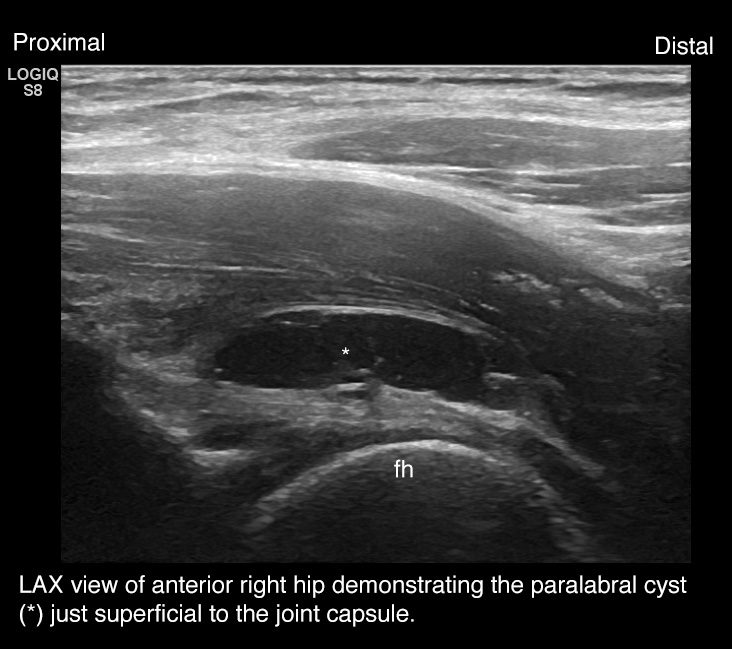
High hamstring tendinopathy
- What it is
- Wear of the hamstring tendon where it attaches to the sit bone.
- Common signs
- Deep buttock pain at the sit bone, worse with sitting, running uphill, or sprinting.
- What usually helps
- Progressive hamstring loading. Shockwave therapy and injections for stubborn cases.
Deep buttock pain (piriformis, SI joint, and more)
- What it is
- At least 11 different problems can cause pain in the buttock, from joints and tendons to nerves and the low back.
- Common signs
- Where it hurts, what makes it worse, and whether pain runs down the leg all point to different causes.
- What usually helps
- Treatment follows the cause. Most start with physical therapy.
Meralgia paresthetica (burning outer thigh)
- What it is
- A skin nerve (the lateral femoral cutaneous nerve) is pinched near the front of the hip bone.
- Common signs
- Burning, tingling, or numbness on the outer thigh, without weakness. Worse with tight belts or long standing.
- What usually helps
- Looser clothing and weight loss if needed. A numbing injection near the nerve can confirm and ease it.
Athletic pubalgia (sports hernia) and groin strain
- What it is
- Injury where the inner thigh tendon and lower belly muscles attach near the pubic bone.
- Common signs
- Groin pain with kicking, sprinting, sit-ups, or quick turns.
- What usually helps
- Rest from aggravating sports and a guided core and hip program. Injections or surgery for some.
Iliopsoas tendinitis and bursitis (front of hip)
- What it is
- Irritation of the main hip-flexing tendon as it crosses the front of the hip.
- Common signs
- Front-of-hip or groin pain lifting the leg, sometimes with snapping.
- What usually helps
- Stretching and strengthening. An ultrasound-guided injection can confirm and calm it.
Ischiofemoral impingement
- What it is
- A small muscle gets pinched between the sit bone and the thigh bone.
- Common signs
- Deep buttock or groin pain, often with long strides.
- What usually helps
- Physical therapy, injections, and Botox in some cases.
Tailbone pain (coccydynia)
- What it is
- Pain at the very bottom of the spine, often after a fall or childbirth, sometimes with no clear cause.
- Common signs
- Pain when sitting, especially leaning back, and when standing up from sitting.
- What usually helps
- A cushion with a cutout, pelvic floor physical therapy, and injections for stubborn cases.
Superior gluteal nerve entrapment
- What it is
- The nerve that powers the hip's side muscles is pinched as it leaves the pelvis above the piriformis.
- Common signs
- Buttock and outer hip pain with a weak hip; the pelvis drops when standing on that leg.
- What usually helps
- Hip strengthening, ultrasound-guided nerve block; rarely surgery.
High hamstring tear
- What it is
- A partial or complete tear of the hamstring tendons from the sit bone, usually from a sudden stretch.
- Common signs
- Sudden pain at the back of the thigh, a pop, bruising, and weakness bending the knee.
- What usually helps
- Staged rehab for partial tears; surgery soon after injury if two or more tendons are torn and pulled away.
Articles in Learn
- Hip and Groin Pain: Less Common Causes Worth Knowing
- Hip Joint Nerve Treatment: Radiofrequency for Hip Arthritis and Lasting Hip Pain
- Hidden Causes of Pain That Ultrasound Can Find
- Outer Hip Pain That Won't Go Away: A New Nerve Treatment
- Tailbone Pain: What Is Ultrasound-Guided Prolotherapy?
- PRP, Bone Marrow, and Fat Injections: What Research Says About Hip, Knee, and Ankle Pain
- Pain in the Buttock: 11 Possible Causes and How We Sort Them Out
Knee pain
Knee pain is one of the most common reasons people stop exercising. Where it hurts (front, inside, outside, or back), whether the knee swells, and whether it catches or gives way all help sort out the cause. Strengthening the thigh and hip muscles helps nearly every kind of knee pain.
Get checked promptly if you have
- Unable to put weight on the leg after an injury
- Rapid swelling within a few hours of a twist or blow
- A knee that is locked and won't straighten
- A hot, red, swollen knee with fever, or a swollen, painful calf
Knee arthritis
- What it is
- Wearing of the cartilage that cushions the knee joint.
- Common signs
- Aching with walking, stairs, or standing up. Morning stiffness that eases with movement. Swelling after activity.
- What usually helps
- Strengthening exercise and staying active are the foundation. Weight loss helps if needed. Injections can ease flares. Genicular nerve treatments can turn down pain for people who aren't ready for, or can't have, a knee replacement.
Meniscus tear
- What it is
- A tear in one of the two rubbery cushions inside the knee. In younger people it usually follows a twist. After about 40, many tears are part of normal aging.
- Common signs
- Pain along the inside or outside of the knee, swelling, and sometimes catching. A knee that locks and won't straighten needs prompt care.
- What usually helps
- For age-related tears, large studies found physical therapy works about as well as arthroscopic surgery. Surgery is more often useful for a locked knee or a sudden tear in a younger person.
Pain at the front of the knee (patellofemoral pain)
- What it is
- Irritation where the kneecap glides over the thigh bone.
- Common signs
- Aching around or behind the kneecap with stairs, squatting, running downhill, or sitting a long time.
- What usually helps
- Hip and thigh strengthening, and adjusting training load. Most people improve over weeks to months.
Patellar and quadriceps tendinopathy
- What it is
- Overload of the tendons just below or just above the kneecap, often called 'jumper's knee.'
- Common signs
- Pain at one spot just below or above the kneecap with jumping, squatting, or stairs.
- What usually helps
- Slow, heavy strengthening exercises are the main treatment. Shockwave and PRP are options for stubborn cases.
Medial plica syndrome
- What it is
- A leftover fold of the knee lining thickens and snaps over the inner edge of the kneecap.
- Common signs
- Pain and clicking on the inner front of the knee, worse with bending activities.
- What usually helps
- Therapy and an injection; arthroscopy to remove it if needed.
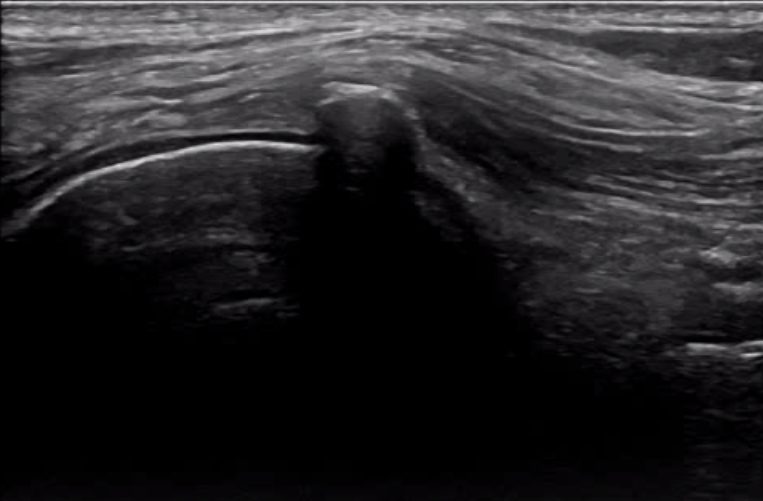
Fabella syndrome
- What it is
- A small extra bone in the tendon at the back-outside of the knee rubs against the thighbone.
- Common signs
- Pain at the back-outside of the knee, worse straightening the leg fully.
- What usually helps
- Activity changes, ultrasound-guided injection; rarely surgery to remove it.
Articles in Learn
- Burning, Tingling, or Numb Foot? Nerve Causes of Foot and Ankle Pain
- Tendon Pain Treatments: What the Research Says for Each Tendon
- Hidden Causes of Pain That Ultrasound Can Find
- PRP, Bone Marrow, and Fat Injections: What Research Says About Hip, Knee, and Ankle Pain
- Chronic Knee Pain: Nerve Treatments When Shots and Therapy Aren't Enough
Ankle and foot pain
Your feet take every step you do, so small problems add up. Heel and Achilles pain usually come from overloaded tissue and respond to gradual loading. Ankle sprains are common and recover best with early, guided movement rather than long rest.
Get checked promptly if you have
- A pop or kick feeling at the back of the heel, with trouble pushing off. This may be an Achilles rupture and should be seen within days.
- Unable to take four steps, or tenderness right on the ankle bones, after an injury
- A swollen, painful calf
- Numbness, color change, or a sore that won't heal on the foot, especially with diabetes
Plantar fasciitis (heel pain)
- What it is
- Irritation of the thick band of tissue along the bottom of the foot, where it attaches to the heel.
- Common signs
- Sharp heel pain with the first steps in the morning or after sitting. Eases after a few minutes of walking.
- What usually helps
- Calf and foot stretching, supportive shoes, heel cups, and gradual strengthening. Most people improve within a year. Shockwave therapy helps many stubborn cases.
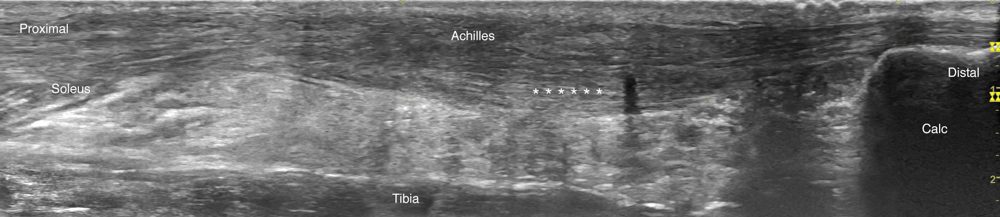
Achilles tendinopathy
- What it is
- Overload and wear of the Achilles tendon at the back of the ankle.
- Common signs
- Pain and stiffness in the tendon, worst in the morning or at the start of exercise. Sometimes a thickened, tender spot.
- What usually helps
- Progressive calf strengthening for at least three months. Shockwave for stubborn cases. Steroid injections into the tendon are generally avoided because they can weaken it.
Ankle sprain and ankle instability
- What it is
- Stretching or tearing of the ligaments on the outside of the ankle.
- Common signs
- Swelling and bruising after rolling the ankle. Later, an ankle that keeps giving way.
- What usually helps
- Early movement and walking as tolerated, a brace for support, and balance training. Balance work lowers the chance of another sprain.
Ankle arthritis
- What it is
- Wearing of the ankle cartilage, often years after old injuries.
- Common signs
- Deep ankle ache, stiffness, and swelling, worse on uneven ground.
- What usually helps
- Supportive shoes or a brace, activity changes, and injections. Surgery for advanced cases.
Tarsal tunnel syndrome
- What it is
- The tibial nerve is squeezed behind the inner ankle bone.
- Common signs
- Burning, tingling, or numbness in the sole and toes, worse with standing or walking.
- What usually helps
- Supportive shoes or inserts, treating swelling or a cyst, nerve hydrodissection, and surgery for stubborn cases.
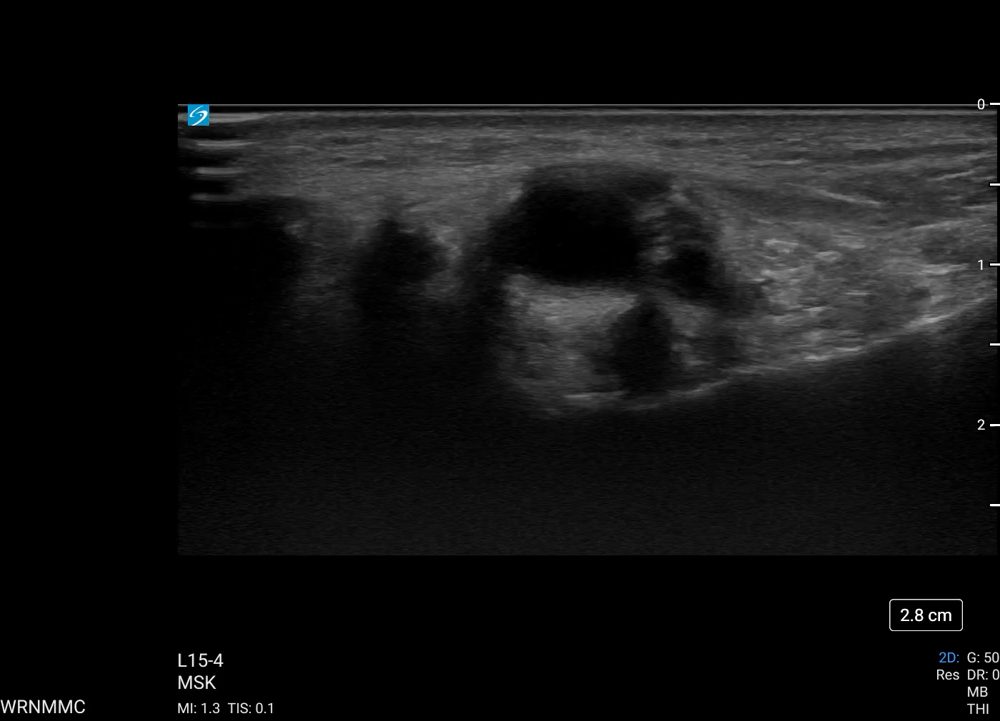
Morton's neuroma
- What it is
- A thickened, irritated nerve between the toes, most often the third and fourth.
- Common signs
- Feels like walking on a pebble, with burning or numbness into the toes. Worse in tight shoes or heels.
- What usually helps
- Wider, low-heeled shoes, a metatarsal pad, and injections. Surgery for cases that don't improve.
Painful os peroneum
- What it is
- A small extra bone in the peroneus longus tendon on the outer foot cracks, or the tendon around it tears.
- Common signs
- Lingering pain on the outer foot after an ankle injury.
- What usually helps
- Boot and rest, then rehab; surgery for a full tendon tear.
Articles in Learn
Nerve pain
Nerve pain feels different from joint or muscle pain. People describe burning, electric, shooting, or pins-and-needles feelings, often with numbness. It can come from a nerve pinched in one spot or from nerves affected throughout the body. Finding which one it is matters, because the treatments are different.
Get checked promptly if you have
- Sudden numbness or weakness on one side of the body, facial droop, or trouble speaking. Call 911.
- Weakness or numbness spreading up both legs over hours to days
- Numbness with new bladder or bowel problems
- A nerve symptom that keeps getting worse, especially new weakness
Pinched nerves in the arms and legs (entrapment)
- What it is
- A nerve is squeezed in a tight spot, such as the wrist, elbow, or around the knee and ankle.
- Common signs
- Numbness, tingling, or burning in a specific area. Weakness in the muscles that nerve controls.
- What usually helps
- Splints and activity changes first. Ultrasound can show where the nerve is pinched. Hydrodissection or surgery can free the nerve.
Peroneal nerve entrapment (foot drop)
- What it is
- The common peroneal (fibular) nerve is squeezed where it wraps around the outside of the knee.
- Common signs
- Numbness on the top of the foot and outer shin, and weakness lifting the foot, which can cause tripping.
- What usually helps
- Avoid crossing legs and pressure on the outer knee. A brace for foot drop. Treating a cyst or other cause. New foot drop needs prompt evaluation.
Thoracic outlet syndrome
- What it is
- Nerves (and sometimes blood vessels) to the arm are squeezed in the space between the neck, collarbone, and first rib, often by tight scalene or pectoralis minor muscles.
- Common signs
- Numbness, tingling, aching, or heaviness in the arm and hand, worse with the arms overhead or carrying bags. Arm swelling or color change can mean a blood vessel is involved and needs prompt care.
- What usually helps
- Posture work and physical therapy first. Numbing the scalene or pectoralis minor muscle with ultrasound guidance can help confirm the diagnosis. Botox or surgery helps some people.
Peripheral neuropathy
- What it is
- Damage to many nerves at once, usually starting in the feet. Diabetes is the most common cause. Others include low vitamin B12, alcohol, and some medicines.
- Common signs
- Numbness, burning, or tingling in both feet, sometimes the hands. Poor balance.
- What usually helps
- Finding and treating the cause with your doctor. Daily foot checks. Medicines for nerve pain. Nerve stimulation for severe cases.
Complex regional pain syndrome (CRPS)
- What it is
- Severe, lasting pain after an injury or surgery, far more than expected, with changes in the nervous system.
- Common signs
- Burning pain, sensitivity to light touch, and changes in skin color, temperature, or swelling in an arm or leg.
- What usually helps
- Early treatment matters. Physical and occupational therapy, desensitization, and medicines. Sympathetic nerve blocks and spinal cord or DRG stimulation for lasting cases.
Nerve pain after surgery or injury
- What it is
- A small nerve is injured or trapped in scar tissue.
- Common signs
- A spot of burning, zinging, or very sensitive skin near a scar, sometimes with numbness around it.
- What usually helps
- Desensitization and medicines. Nerve blocks can confirm the source. Hydrodissection or peripheral nerve stimulation can help lasting pain.
Myofascial pain (trigger points)
- What it is
- Tight, tender knots in a muscle that refer pain to other areas.
- Common signs
- Regional muscle pain and stiffness; pressing the knot recreates your familiar pain.
- What usually helps
- Stretching, posture changes, trigger point injections or dry needling.
Fibromyalgia
- What it is
- Widespread pain from an overly sensitive nervous system, with fatigue and poor sleep.
- Common signs
- Pain on both sides, above and below the waist, for 3 months or more; tiredness; brain fog.
- What usually helps
- Gentle regular exercise, sleep care, CBT, and certain medicines.
Nerve pain after amputation (neuroma)
- What it is
- A painful bundle forms at the end of a cut nerve after amputation.
- Common signs
- Sharp or electric pain at one spot in the residual limb, often with prosthesis pressure.
- What usually helps
- Socket changes, ultrasound-guided injections, ablation, nerve stimulation, or surgery.
Nerve bundle problems (plexopathy, Parsonage-Turner, diabetic amyotrophy)
- What it is
- Inflammation or other damage to the large nerve bundles of the arm or leg, which can look like a pinched spinal nerve.
- Common signs
- Severe arm or leg pain with little neck or back pain, followed by patchy weakness.
- What usually helps
- EMG and specialized MRI make the diagnosis. Treatment depends on the cause.
Articles in Learn
- Ulnar Nerve Problems at the Elbow and Wrist: Non-Surgical Treatment Options
- Hip and Groin Pain: Less Common Causes Worth Knowing
- Burning, Tingling, or Numb Foot? Nerve Causes of Foot and Ankle Pain
- Complex Regional Pain Syndrome (CRPS): When Pain Outgrows the Injury
- Nerve Pain Explained: Why It Burns, Zaps, and Tingles, and What Helps
- Sympathetic Nerve Blocks: Stellate, Lumbar, Celiac, and More
- Spinal Cord Stimulation: A Test Drive Before You Decide
- Radial Nerve Problems: Non-Surgical Treatment Options
- Nerve Pain After Amputation: Neuromas and How They're Treated
- Headaches: Migraine, Tension, Cluster, and Headaches From the Neck
- Nerve Blocks for the Head, Neck, Arms, Trunk, and Legs
- When Sciatica Isn't From Your Spine: Conditions That Mimic a Pinched Nerve
- Carpal Tunnel Syndrome: How Ultrasound Can Help Find It
- Peripheral Nerve Stimulation: A Small Device for Long-Lasting Pain
- Tingling in Your Ring and Little Fingers? The Ulnar Nerve and How Ultrasound Helps
- Hand Numbness: When It's Carpal Tunnel, and When It Might Be Something Else
- Wrist Drop, Forearm Pain, or a Tingling Thumb? Understanding Radial Nerve Problems
- Nerve Hydrodissection: Using Fluid to Free a Pinched Nerve
A–Z index
Every condition on this page, including common alternate names.
A
- AC joint arthritis Shoulder
- Achilles tendinopathy Ankle & foot
- Adhesive capsulitis Shoulder
- Ankle arthritis Ankle & foot
- Ankle sprain and ankle instability Ankle & foot
- Athletic pubalgia (sports hernia) and groin strain Hip & pelvis
B
- Baxter's nerve heel pain Ankle & foot
- Broken collarbone (clavicle fracture) Shoulder
C
- Calcific tendinitis Shoulder
- Carpal tunnel syndrome Wrist & hand
- Cervical radiculopathy Neck & back
- Cluneal nerve entrapment Neck & back
- Coccydynia Hip & pelvis
- Complex regional pain syndrome (CRPS) Nerve pain
- Cubital tunnel syndrome (ulnar nerve) Elbow
- Cyclist's palsy Wrist & hand
D
- De Quervain's tenosynovitis Wrist & hand
- Deep buttock pain (piriformis, SI joint, and more) Hip & pelvis
- Disc pain (discogenic back pain) Neck & back
E
- Elbow bursitis (olecranon bursitis) Elbow
- Everyday low back pain Neck & back
F
- Fabella syndrome Knee
- Facet joint arthritis Neck & back
- Fibromyalgia Nerve pain
- Foot drop Nerve pain
- Frozen shoulder (adhesive capsulitis) Shoulder
G
- Golfer's elbow (medial epicondylosis) Elbow
- Greater trochanteric pain syndrome Hip & pelvis
- Guyon's canal syndrome (ulnar nerve at the wrist) Wrist & hand
H
- Headache from the neck and occipital neuralgia Neck & back
- Headaches (migraine, tension, cluster, cervicogenic) Neck & back
- Heel pain Ankle & foot
- High hamstring tear Hip & pelvis
- High hamstring tendinopathy Hip & pelvis
- Hip arthritis Hip & pelvis
I
- Iliopsoas tendinitis and bursitis (front of hip) Hip & pelvis
- Inflammatory back pain (axial spondyloarthritis, ankylosing spondylitis) Neck & back
- Ischiofemoral impingement Hip & pelvis
J
- Jumper's knee Knee
K
- Knee arthritis Knee
L
- Labral tear and hip impingement Hip & pelvis
- Lateral epicondylosis Elbow
- Lateral femoral cutaneous nerve entrapment Hip & pelvis
M
- Medial epicondylosis Elbow
- Medial plica syndrome Knee
- Meniscus tear Knee
- Meralgia paresthetica (burning outer thigh) Hip & pelvis
- Mid-back and chest wall pain Neck & back
- Morton's neuroma Ankle & foot
- Myofascial pain (trigger points) Nerve pain
N
O
P
- Pain at the front of the knee (patellofemoral pain) Knee
- Painful os peroneum Ankle & foot
- Patellar and quadriceps tendinopathy Knee
- Peripheral neuropathy Nerve pain
- Peroneal nerve entrapment (foot drop) Nerve pain
- Pinched nerve (radiculopathy, sciatica) Neck & back
- Pinched nerves in the arms and legs (entrapment) Nerve pain
- Piriformis syndrome Hip & pelvis
- Plantar fasciitis (heel pain) Ankle & foot
R
- Radial nerve problems Elbow
- Rheumatoid arthritis Wrist & hand
- Rotator cuff tendinopathy and tears Shoulder
S
- Sacroiliac (SI) joint pain Neck & back
- Sciatica Neck & back
- Separated shoulder Shoulder
- Shoulder arthritis Shoulder
- Shoulder dislocation and separation Shoulder
- SLAP tear (labral tear) Shoulder
- Spinal cord pressure in the neck (cervical myelopathy) Neck & back
- Spinal stenosis Neck & back
- Sports hernia Hip & pelvis
- Superior gluteal nerve entrapment Hip & pelvis
T
- Tailbone pain (coccydynia) Hip & pelvis
- Tarsal tunnel syndrome Ankle & foot
- Tennis elbow (lateral epicondylosis) Elbow
- Thoracic outlet syndrome Nerve pain
- Thumb base arthritis Wrist & hand
- Trigger finger Wrist & hand
U
- Ulnar neuropathy Elbow
W
General information only, not medical advice. Last reviewed November 2026.
