Treatments
Back and Pelvis Injections Explained: Facet, Medial Branch, SI Joint, and Epidural
For general information only. This is not medical advice. See the full disclaimer at the end of this article.
If you have long-lasting low back pain, you may hear about injections with long names. Each one targets a different possible source of pain. Here's a plain guide to the most common ones.
At a glance
- Injections can help find the source of pain (diagnostic) and ease it (therapeutic).
- They work best alongside exercise and physical therapy, not instead of them.
- Some are guided by X-ray, others by ultrasound. Each has strengths.
Facet joint injections and medial branch blocks
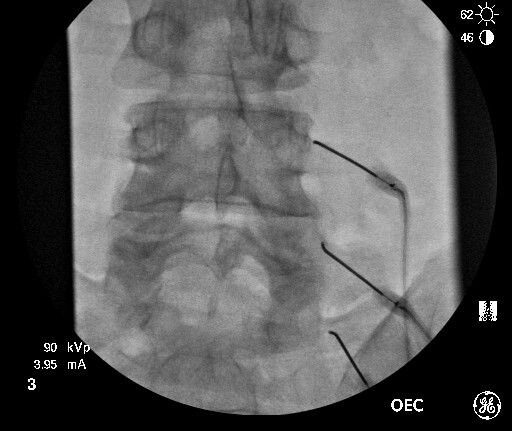
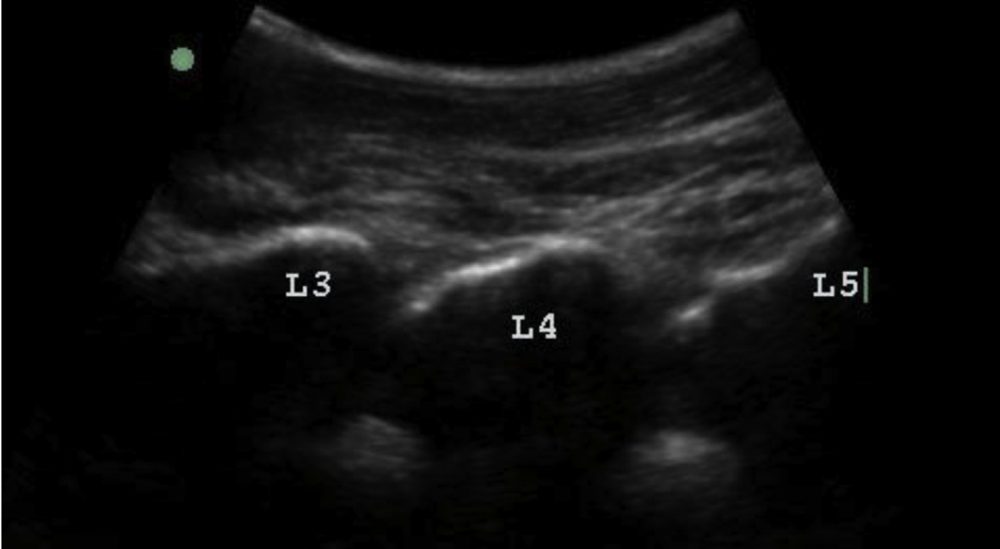
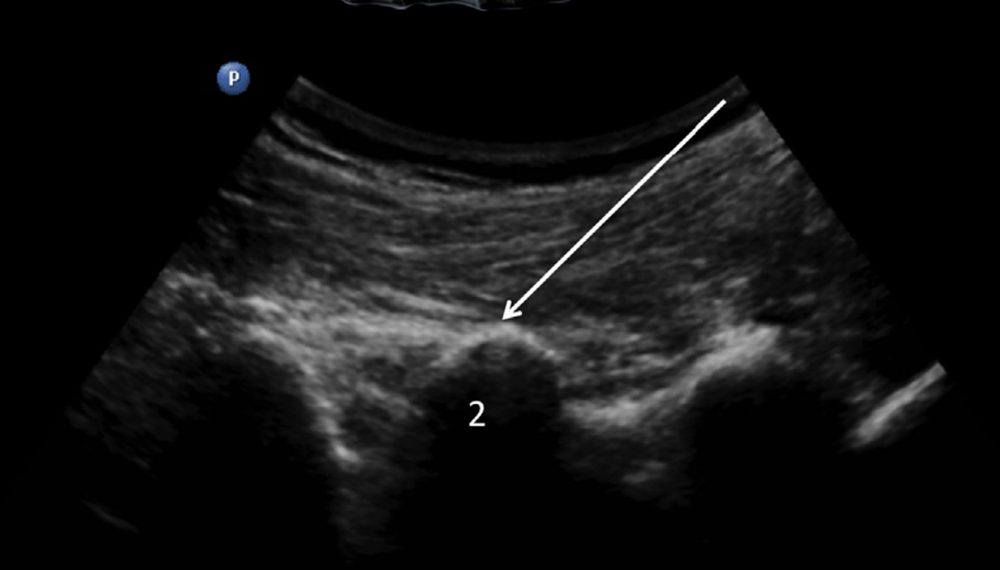
The facet joints are small joints at the back of the spine, two at each level. Arthritis in these joints can cause back pain that is worse when leaning back or twisting.
- A facet joint injection puts medicine into the joint.
- A medial branch block numbs the tiny nerves that carry pain from the joint. If your pain eases for a few hours, those nerves are likely the source.
- Radiofrequency ablation then heats those same nerves so they stop sending pain signals, often for 6 to 12 months or more.
Sacroiliac (SI) joint injections
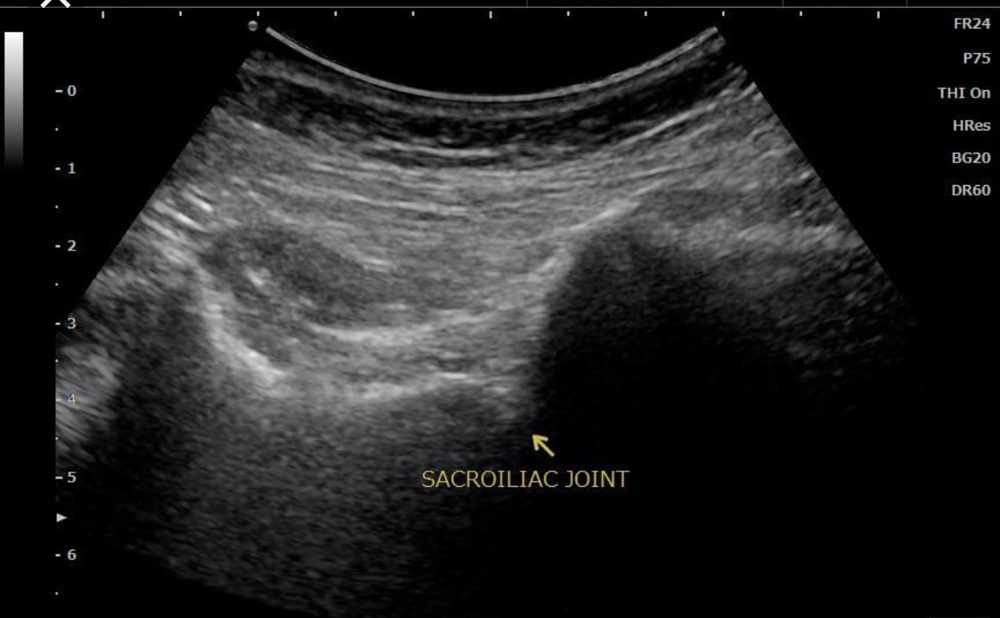
The sacroiliac joint connects the spine to the pelvis. SI joint pain is usually on one side, just below the belt line. An injection into the joint can confirm it as the source and calm the pain. For pain that keeps coming back, the small nerves to the joint can be treated with radiofrequency ablation.
Epidural steroid injections
An epidural places anti-inflammatory medicine near irritated spinal nerve roots. It's used for a pinched nerve (radiculopathy, often called "sciatica") or narrowing of the spinal canal (spinal stenosis). It can calm a flare and make it easier to do therapy while the nerve heals. One type, a caudal epidural, enters through a small opening at the bottom of the tailbone and can be guided by ultrasound.
Three ways to reach the epidural space
| Approach | How it's done | Best for |
|---|---|---|
| Interlaminar | Needle between two vertebrae from the back, into the epidural space in the middle | Pain on both sides or at several levels; spinal stenosis |
| Transforaminal | Needle angled into the opening where one nerve root exits | Pain down one leg or arm from one nerve root; puts medicine right at the nerve |
| Caudal | Needle through a natural opening at the base of the spine, near the tailbone | Low lumbar and sacral pain; people who've had back surgery with hardware in the way |
Epidurals usually give relief for weeks to a few months. Their main job is to calm a flare so you can do your therapy. In the neck, the interlaminar approach is generally preferred because it's farther from the arteries that supply the spinal cord.
Other injections in the pelvis and buttock
- Piriformis injection for deep buttock pain from the piriformis muscle
- Ischial bursa or hamstring injection for "sit bone" pain
- Nerve blocks for pain from nerves such as the pudendal nerve (pelvic pain) or the lateral femoral cutaneous nerve (burning outer thigh)
See Pain in the Buttock: 11 Possible Causes for more.
Discography
When a disc itself may be the source of back pain, a discogram injects dye into one or more discs to see whether it recreates your usual pain. Expert groups disagree on its value, and it's used much less often today, mostly before surgery or disc procedures.
When injections aren't enough
For long-lasting nerve pain in the back and legs, especially after back surgery, spinal cord stimulation is an option. You try it for about a week before deciding.
X-ray or ultrasound?
X-ray (fluoroscopy) shows bone well and lets your doctor confirm spread with contrast dye. Ultrasound shows muscles, nerves, and blood vessels, with no radiation. Many spine procedures are still best done with X-ray, while many pelvis and soft-tissue injections work well with ultrasound. Your doctor will choose based on the target.
Common questions
What is the difference between a facet injection and a medial branch block?
A facet injection puts medicine into the small spine joint. A medial branch block numbs the small nerves that carry pain from that joint. A good response to medial branch blocks can lead to radiofrequency ablation for longer relief.
How long does an epidural steroid injection last?
Usually weeks to a few months. Its main job is to calm a flare so you can do your therapy.
What is a transforaminal epidural?
An epidural where the needle is angled into the opening where one nerve root leaves the spine, putting medicine right at that nerve. It's often used for pain down one leg or arm.
Sources
- Cohen SP, et al. Consensus practice guidelines on interventions for lumbar facet joint pain from a multispecialty, international working group. Reg Anesth Pain Med. 2020;45(6):424-467.
- Roberts SL, et al. Cadaveric study of sacroiliac joint innervation: implications for diagnostic blocks and radiofrequency ablation. Reg Anesth Pain Med. 2014;39(6):456-464.
- Qaseem A, et al. Noninvasive treatments for acute, subacute, and chronic low back pain: a clinical practice guideline from the American College of Physicians. Ann Intern Med. 2017;166(7):514-530.
- Furman MB, et al. Atlas of Image-Guided Spinal Procedures. 2nd ed. Elsevier; 2017.
- Manchikanti L, Abdi S, Atluri S, et al. An update of comprehensive evidence-based guidelines for interventional techniques in chronic spinal pain. Part II: guidance and recommendations. Pain Physician. 2013;16(2 Suppl):S49-S283.
Based on Dr. Chen's lecture: Lecture: Lumbosacral and Pelvic Interventional Sonography.
This article is for general information and education only and does not constitute medical advice. It is not a substitute for an evaluation, diagnosis, or treatment by a qualified healthcare provider. Reading this article does not create a doctor–patient relationship. Every person is different; talk with your own doctor before making decisions about your care. If you think you have a medical emergency, call 911.
