How Tendons, Ligaments, Muscles, and Joints Get Hurt and Heal
For general information only. This is not medical advice. See the full disclaimer at the end of this article.
"I hurt my shoulder" can mean many things. A tendon, a ligament, a muscle, a joint, or a fluid-filled sac called a bursa could be the source. Each tissue gets hurt in its own way and heals at its own speed. Knowing the difference helps explain why rest helps some problems, while others need the opposite.
At a glance
- A sprain is a ligament injury. A strain is a muscle injury.
- Tendinitis is short-term inflammation. Tendinopathy is longer-term wear, and it needs loading, not just rest.
- Healing happens in stages over weeks to months.
- Many injuries are "acute-on-chronic": a new strain on top of an old, worn tissue.
Four common ways tissue gets hurt
- Acute, mild. Small tears or mild inflammation from doing a bit too much. These usually heal on their own with sensible rehab.
- Acute, severe. A force bigger than the tissue can handle, like a hard fall. This can cause a full tear, a dislocation, or a broken bone.
- Chronic (overuse). Repeated stress without enough time to recover. Examples: tendinopathy, stress fractures, and arthritis.
- Acute-on-chronic. A new injury on top of an old problem. It's the "straw that broke the camel's back."
Sometimes there's little actual tissue damage, but a movement problem, such as weak hip muscles or a stiff ankle, overloads another area. Fixing the movement pattern is key to fixing the pain.
Tendons: tendinitis vs. tendinopathy
Tendinitis is short-term inflammation of a tendon, usually after a sudden increase in activity. It often settles within a few weeks.
Tendinopathy (also called tendinosis) is different. The tendon fibers become disorganized and weaker over time, without much inflammation. Common spots include the shoulder (rotator cuff), elbow ("tennis elbow" and "golfer's elbow"), knee ("jumper's knee"), and Achilles tendon. Because the problem is weakness, not inflammation, the main treatment is gradually loading the tendon with strengthening exercise.
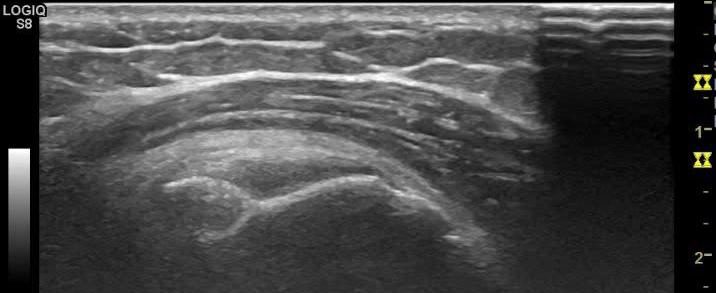
For treatment options by tendon, see Tendon Pain Treatments: What the Research Says for Each Tendon.
Ligaments and muscles: sprains and strains
A sprain stretches or tears a ligament, the tough band that holds bones together at a joint. Ligaments have a poor blood supply, so they heal slowly, and a loose joint can get sprained again. Strength and balance training help prevent that.
A strain stretches or tears a muscle, often where it joins the tendon. Muscles have a rich blood supply and usually heal well. Severe tears can leave scar tissue that pulls on nearby structures.
Joints: arthritis
Osteoarthritis is "wear and tear" of a joint. The cartilage thins, bone spurs form, and the joint can become stiff and swollen. It's most common in the knees, hips, hands, and the base of the thumb. Treatment steps up from activity changes and exercise, to injections, to nerve treatments, to joint replacement.
Bursae: bursitis
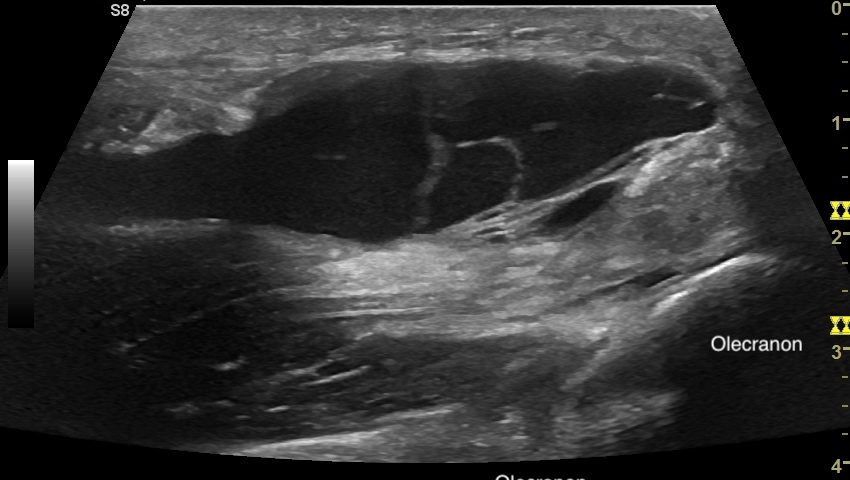
A bursa is a small fluid-filled cushion between tissues. When irritated, it can swell with fluid. That's bursitis.
How healing happens
- Bleeding and clotting (first hours to days)
- Inflammation (first 2 to 3 weeks): the body clears damaged tissue and calls in repair cells.
- Rebuilding (weeks): new collagen forms, but it's disorganized and not yet strong.
- Remodeling (months): the new tissue lines up and gets stronger, especially when it's gradually loaded.
That last stage is why rehab matters. Tissue gets stronger in the direction it's used.
Age changes the injury
In children and teens, bone is weaker than tendon. A hard pull is more likely to break off a small piece of bone (an avulsion fracture). In older adults, bone is stronger than an aging tendon, so the tendon is more likely to tear.
Sources
- Rees JD, Wilson AM, Wolman RL. Current concepts in the management of tendon disorders. Rheumatology. 2006;45(5):508-521.
- Cook JL, Purdam CR. Is tendon pathology a continuum? Br J Sports Med. 2009;43(6):409-416.
- Bennell KL, et al. Exercise as a treatment for osteoarthritis. Best Pract Res Clin Rheumatol. 2014;28(1):93-117.
Based on Dr. Chen's lecture: Lectures: Common Peripheral Joint Pain; Practical MSK Ultrasound.
This article is for general information and education only and does not constitute medical advice. It is not a substitute for an evaluation, diagnosis, or treatment by a qualified healthcare provider. Reading this article does not create a doctor–patient relationship. Every person is different; talk with your own doctor before making decisions about your care. If you think you have a medical emergency, call 911.
