Hip & pelvis
Hip Joint Nerve Treatment: Radiofrequency for Hip Arthritis and Lasting Hip Pain
For general information only. This is not medical advice. See the full disclaimer at the end of this article.
Hip arthritis, or pain that lingers after hip surgery, can make walking, sleeping, and getting in and out of a car miserable. Joint replacement is a great option for many people, but not everyone is ready for it, wants it, or is healthy enough for it. In that case, treating the small nerves that carry pain from the front of the hip joint can help.
At a glance
- The front of the hip joint gets most of its feeling from small branches of the femoral and obturator nerves.
- A test block with numbing medicine shows whether these nerves carry your pain.
- If it works, radiofrequency treatment can quiet those nerves for months.
- It treats pain, not the arthritis itself, and doesn't rule out a joint replacement later.
Who it may help
- Moderate to severe hip arthritis when surgery isn't an option or you want to delay it
- Lasting pain after hip arthroscopy (for example, labral repair) or hip replacement
- People whose pain is from the hip joint itself, confirmed by exam and a numbing injection. See Hip and Groin Pain.
Pain on the outside of the hip usually comes from tendons and bursa, which have a different nerve treatment. See Outer Hip Pain: Nerve Ablation.
How it's done
- Test (prognostic) block: under ultrasound, a small amount of numbing medicine is placed next to the femoral and obturator branches. If your usual pain drops a lot for several hours, these nerves are carrying it.
- Treatment: on another day, a thin radiofrequency needle is placed at the same spots and the nerves are treated with radiofrequency energy.
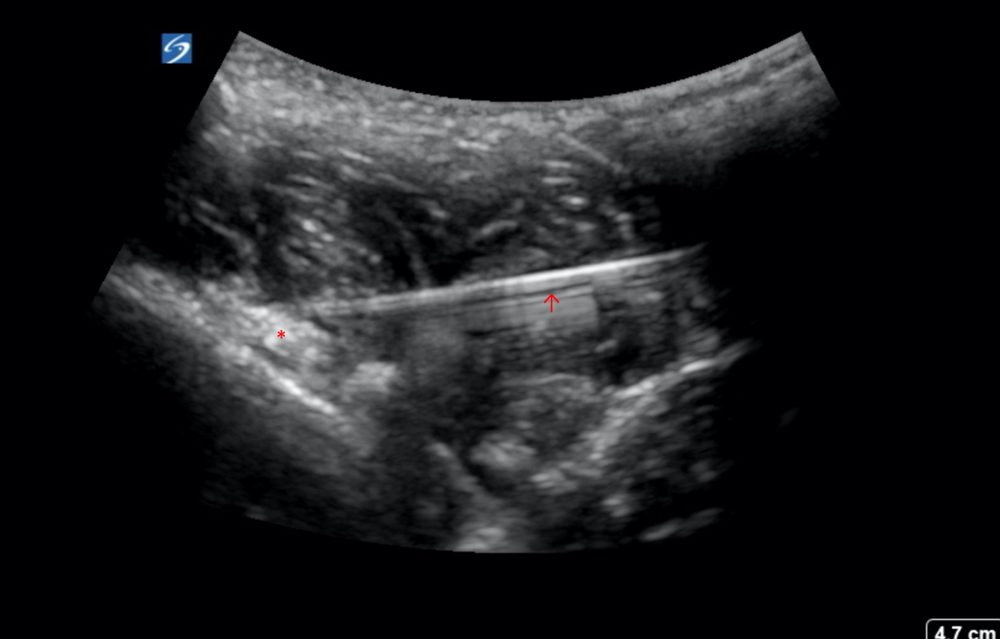
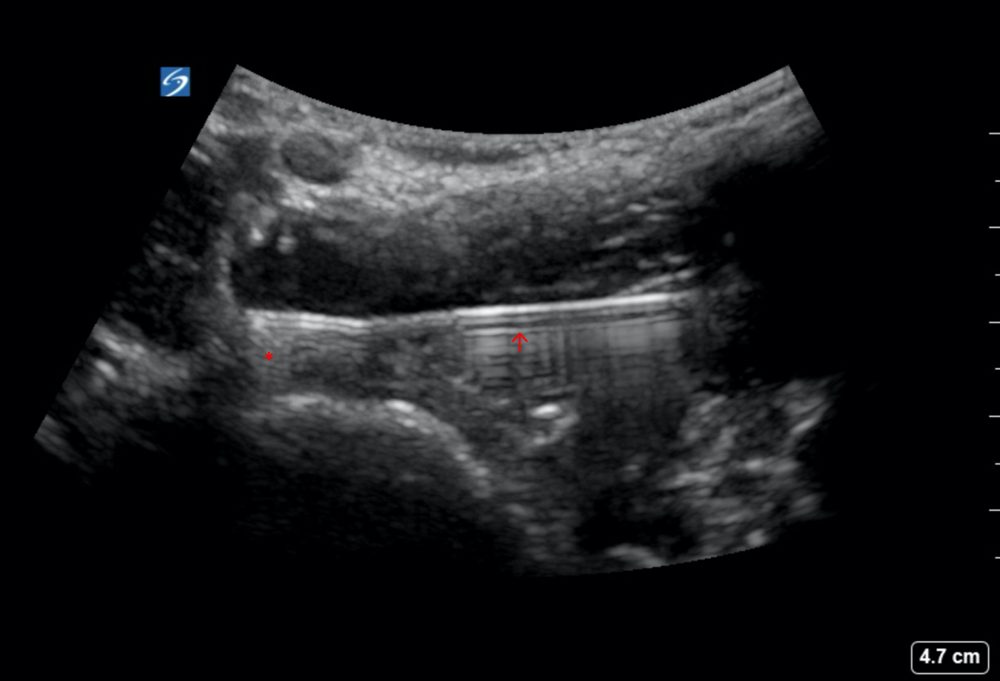
A one-needle ultrasound technique
Most hip nerve treatments are done with X-ray guidance and two or more needles. Dr. Nicholas Spinuzza and I described an ultrasound-guided method that treats both the femoral and obturator branches through a single needle entry. Its advantages:
- You can see the large blood vessels in the groin the whole time, for safety.
- Both main nerves are treated.
- Only one needle puncture.
- No radiation.
In our first patient, a 32-year-old with lasting front-of-hip pain 7 months after labral repair, pain dropped from 5 to 3 out of 10, and the Oxford Hip Score (a function measure; higher is better) improved from 18 to 30 out of 48 at 4 weeks. This is one case, so larger studies are needed. Reviews of hip radiofrequency treatments in general show promising pain relief, often lasting months.
What to expect
- An outpatient procedure with local numbing, taking about 30 to 45 minutes.
- Some soreness for a few days. Relief usually builds over 1 to 3 weeks.
- Possible risks include bleeding, infection, temporary numbness of the inner or front thigh, and, rarely, temporary thigh weakness.
- Keep up your hip strengthening program. Less pain makes it easier to build the strength that protects the joint.
Related treatments
- Radiofrequency nerve ablation and diagnostic injections on the treatments page
- Steroid or PRP injections into the hip joint. See Regenerative Medicine for the Hip, Knee, and Ankle.
- Exercise and physical therapy
Common questions
Can hip arthritis pain be treated without a hip replacement?
Yes. Options include exercise, joint injections, and radiofrequency treatment of the small femoral and obturator nerve branches that carry pain from the front of the hip joint.
Does hip nerve radiofrequency rule out a hip replacement later?
No. It treats pain, not the arthritis itself, and you can still have a joint replacement later.
How long does hip radiofrequency treatment last?
Relief usually builds over 1 to 3 weeks and often lasts months. Results vary, and larger studies are still needed.
Sources
- Spinuzza N, Chen YT. Single-needle entry ultrasound-guided pulsed radiofrequency treatment of hip joint articular nerves: a case report and brief technical report. Poster presentation.
- Bhatia A, Hoydonckx Y, Peng P, Cohen SP. Radiofrequency procedures to relieve chronic hip pain: an evidence-based narrative review. Reg Anesth Pain Med. 2018;43(1):72-83.
- Short AJ, Barnett JJG, Gofeld M, et al. Anatomic study of innervation of the anterior hip capsule: implication for image-guided intervention. Reg Anesth Pain Med. 2018;43(2):186-192.
- Kumar P, Hoydonckx Y, Bhatia A. A review of current denervation techniques for chronic hip pain: anatomical and technical considerations. Curr Pain Headache Rep. 2019;23(6):38.
Based on Dr. Chen's lecture: Poster: Single-Needle Entry Ultrasound-Guided Pulsed Radiofrequency Treatment of Hip Joint Articular Nerves (Spinuzza and Chen).
This article is for general information and education only and does not constitute medical advice. It is not a substitute for an evaluation, diagnosis, or treatment by a qualified healthcare provider. Reading this article does not create a doctor–patient relationship. Every person is different; talk with your own doctor before making decisions about your care. If you think you have a medical emergency, call 911.
